
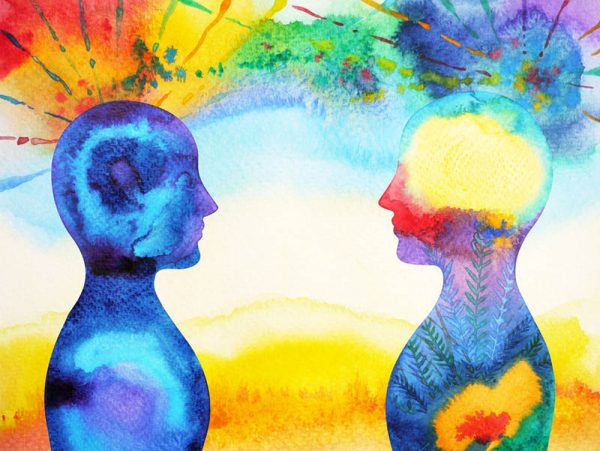
When speech is a struggle, music and art provide a powerful way to express your emotions, process trauma, and rebuild your confidence.
1. Music Therapy
Music is processed in many different parts of the brain, often bypassing the areas damaged by a stroke. This is why some people who cannot speak can still sing.
-
Elizabeth Nightingale (Chiltern Music Therapy): Elizabeth is a leading expert in Neurologic Music Therapy. Her work helps survivors use rhythm and melody to “re-train” the brain and improve speech. 👉 Visit Chiltern Music Therapy
-
Nordoff and Robbins: The UK’s largest music therapy charity. They offer sessions across the country to help people connect through the power of making music together. 👉 Visit Nordoff and Robbins
2. Art Therapy
Art therapy allows you to “vent” frustrations and share your story using colour, shape, and texture instead of complex sentences.
-
British Association of Art Therapists (BAAT): Use their “Find a Therapist” tool to find a qualified professional who understands how to work with brain injury and aphasia. 👉 Find an Art Therapist
-
Local Community Art Groups: Many local “Say Aphasia” groups or “Stroke Association” hubs host relaxed art sessions. These are a great way to socialise while being creative.
💡 Why Creative Therapy Works for Aphasia
-
Rhythm: Helps the brain find a “beat” to pace your speech.
-
Non-Verbal Expression: Allows you to show how you feel without the pressure of “finding the right word.”
-
Neuroplasticity: Creating art or music encourages the brain to form new neural connections.
Jonathan’s Advice: “I found that when I couldn’t say the word ‘frustrated,’ I could paint it. When I couldn’t speak a sentence, I could hum a tune. Don’t worry about being a ‘good’ artist or musician—it’s about the process of expression, not the final product.”