
By Jonathan Hirons
When people ask me what aphasia is, I usually give them the medical definition: it’s a communication disorder, often caused by a stroke, that affects your ability to speak, read, and write.
But that doesn’t even scratch the surface of what it feels like.
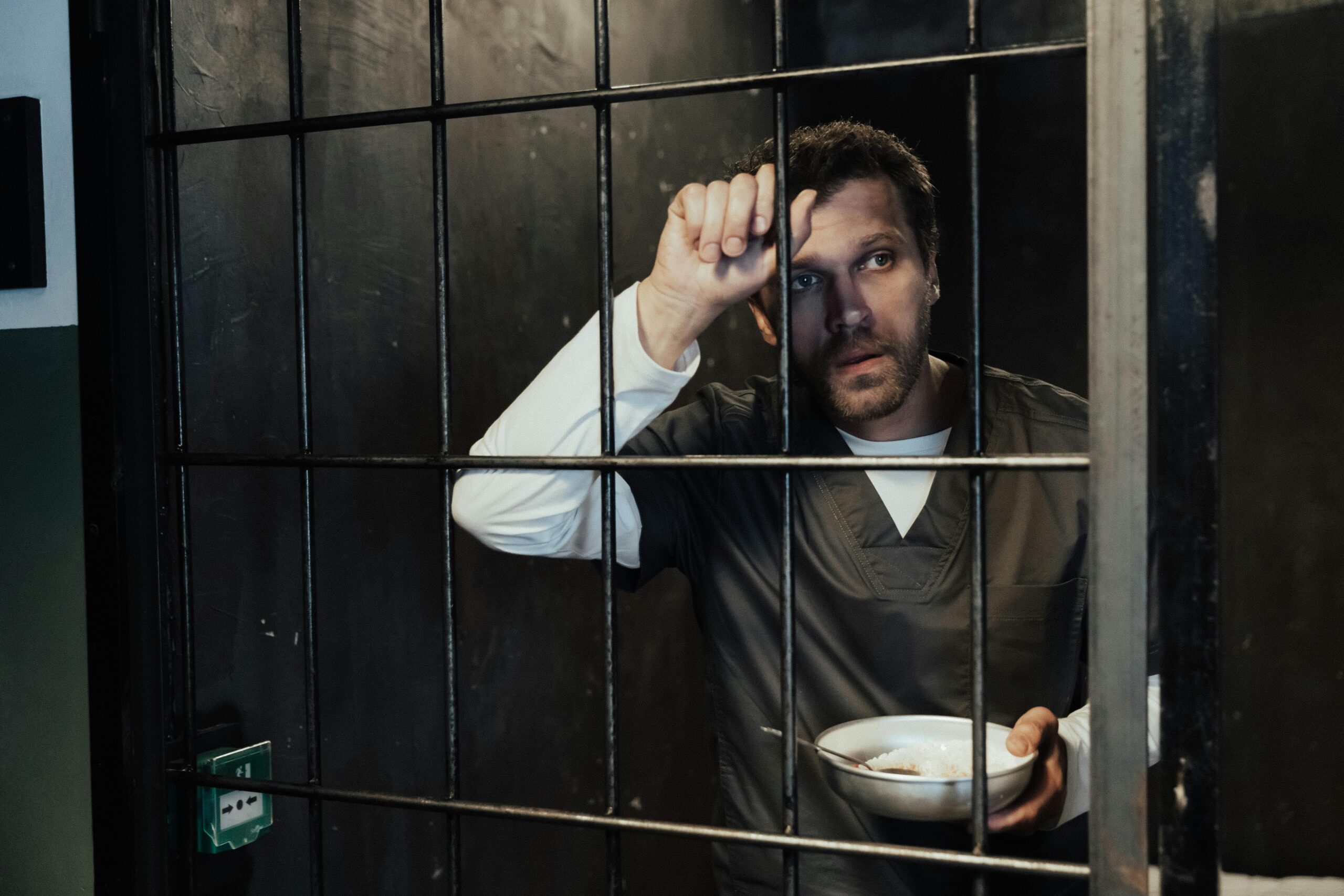
Living with aphasia isn’t just about “losing your words.” It’s about losing the bridge between your soul and the outside world. If I could describe the emotional weight of this condition to someone who has never experienced it, I would describe it as being a prisoner in your own mind.
The Panic of the “Blank”
Imagine you are standing on a stage and it’s your turn to speak. You know exactly what you want to say. You can see the thoughts in your head as clearly as a photograph. But when you open your mouth, the connection is severed.
In those early days after my stroke in 2019, the primary emotion wasn’t just frustration—it was terror. I remember trying to say my own phone number and reaching into my brain, only to find a void where that information used to live. It feels like reaching for a handrail in the dark and finding nothing but air. You are falling, and you don’t know where the ground is.
The Grief of the “Social Shadow”
Perhaps the hardest emotional angle of aphasia is the shift in how people look at you. Before aphasia, I was the one leading the conversation. Afterwards, I became a spectator in my own life.
There is a specific kind of loneliness that happens in a crowded room. You hear the jokes, you have a witty comeback ready, but by the time you’ve fought your brain to assemble the sentence, the conversation has moved on. You become a “shadow” in the room.
People often mistake a lack of words for a lack of intellect. Being treated as though you are “slow” or “not there” is a jagged pill to swallow. It tests your dignity every single day. You want to scream, “I am still in here!” but the scream gets stuck in the same place the words do.
The Exhaustion of the “Mental Marathon”
Every “How are you?” or “I’ll have a coffee, please” is a mental marathon. By 2 p.m., I am often emotionally and physically exhausted. It’s not just the effort of talking; it’s the emotional toll of failing to talk. Every time I stumble, there’s a tiny spark of shame, a reminder of what was taken away.
But here is what I want you to know: The person is still there.
Finding a New Voice
Aphasia has stripped away my old way of communicating, but it has forced me to find a deeper one. I have learned to read faces, to feel energy, and to appreciate the profound power of a patient silence.
Through the On the Tip of My Tongue film and our podcasts, my goal is to turn that “invisible prison” into a shared experience. If you are a carer or a professional reading this, please realise: your patience is our oxygen. When you wait for us to find the word, you aren’t just giving us a sentence—you are giving us back our humanity.
Aphasia is a thief, but it cannot steal the human spirit. I am still here. We are still here. And we still have so much to say
Aphasia Podcast
Aphasia Documentary