
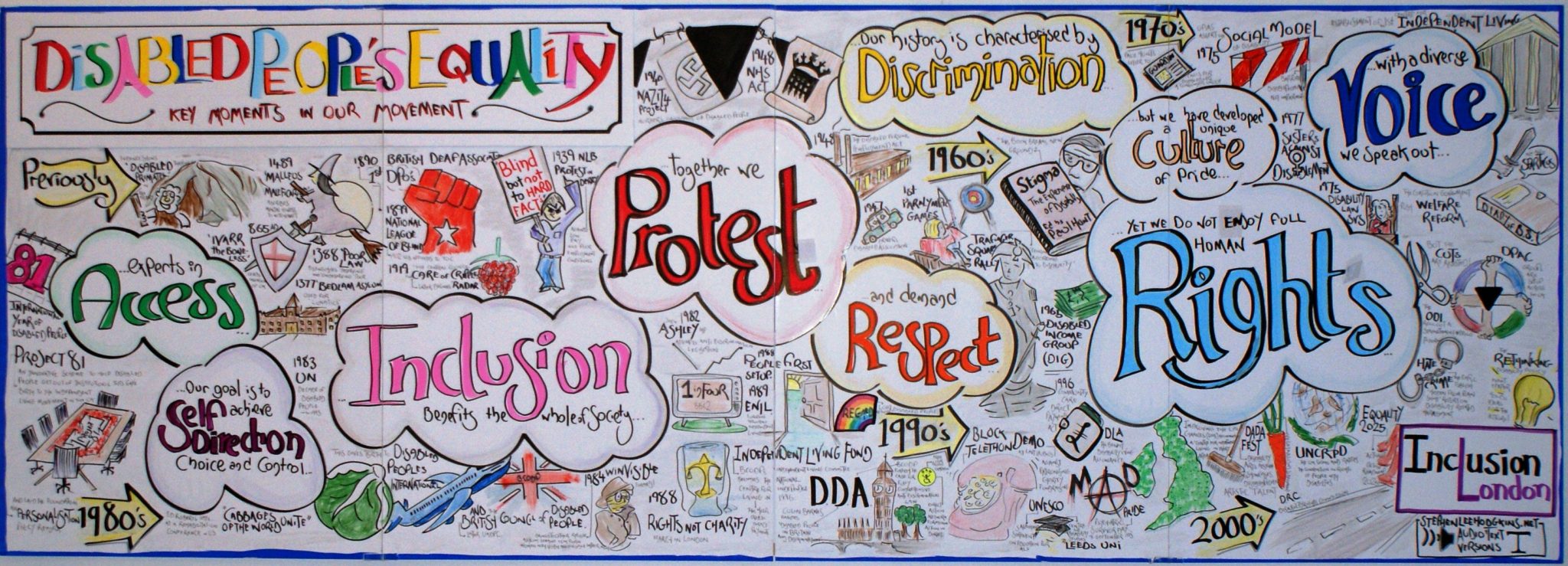
When a loved one has a stroke or brain injury, we naturally look to doctors to “fix” them. This is known as the Medical Model. But once rehab ends and life at home begins, many families find more success using the Social Model.
1. Medical Model vs. Social Model
The difference is small but powerful:
-
The Medical Model (The “Defect” View): This says the person is the problem because their brain or speech doesn’t work “normally.” The goal is to “cure” the person to fit back into society.
-
Result: If the speech doesn’t return to 100%, the person feels like a “failure.”
-
-
The Social Model (The “Barrier” View): This says that society is the problem because it is designed only for people who speak quickly and clearly. Disability is caused by barriers in the environment, not the condition itself.
-
Result: We stop trying to “fix” the person and start “fixing” the situation.
-
2. Identifying the Three Main Barriers
Sarah Petherbridge often highlights that people with aphasia aren’t “broken”; they are simply being blocked by three types of barriers:
-
Environmental Barriers: Noisy restaurants, fast-moving queues, or complex forms that make communication impossible.
-
Attitudinal Barriers: People assuming that because someone struggles to speak, they also struggle to think. This leads to people being ignored or spoken down to.
-
Organisational Barriers: Services that only offer “telephone-only” bookings or websites that are a “wall of text” with no icons.
3. How Families Can Shift Their Mindset
To support a survivor using the Social Model, try these three “barrier-removing” actions:
-
Change the Goal: Instead of saying, “Practice your words so you can order coffee perfectly,” say, “Let’s take this communication card so the barista knows to give you more time.” * The 10-Second Rule: The biggest barrier for aphasia survivors is time. By waiting 10 seconds before you speak again, you are removing a “pace barrier” and allowing their brain the space it needs.
-
Be an Ally, Not a Teacher: You aren’t there to correct their grammar or “test” them. You are there to help them navigate a world that wasn’t built for them.
💡 The Takeaway
“A person with aphasia is not a ‘broken’ version of their old self. They are a person who is currently being ‘disabled’ by a world that talks too fast and listens too little.”