

The Invisible Prison: What Aphasia Actually Feels Like
By Jonathan Hirons When people ask me what aphasia is, I usually give them the medical definition: it’s a communication disorder, often caused by a stroke, that affects your ability to speak, read, and write. But that doesn’t even scratch the surface of what it feels...

The Long Road Home: Can You Truly Recover From Aphasia?
The Long Road Home: Can You Truly Recover From Aphasia? When I first started filming Tip of My Tongue, I was struck by a recurring question from almost everyone I interviewed—the survivors, the partners, the children. It’s the question that hangs in the air during...
Digital Accessibility Guide: Your Smartphone Lifelines for Aphasia
Many people don't realise their phones have "hidden" tools that make communicating much easier. Here is how to set them up. 1. Live Captioning (See what people say) This tool turns spoken words into text on your screen in real-time. It is perfect for noisy places,...

10 Supported Conversation Tips for People with Aphasia
Communication is a two-way street. These simple rules help "bridge the gap" when words are difficult to find. 1. One Idea at a Time Don’t overwhelm the listener with long paragraphs. The Rule: Say one thing, then pause. Why it works: It gives the brain time to process...
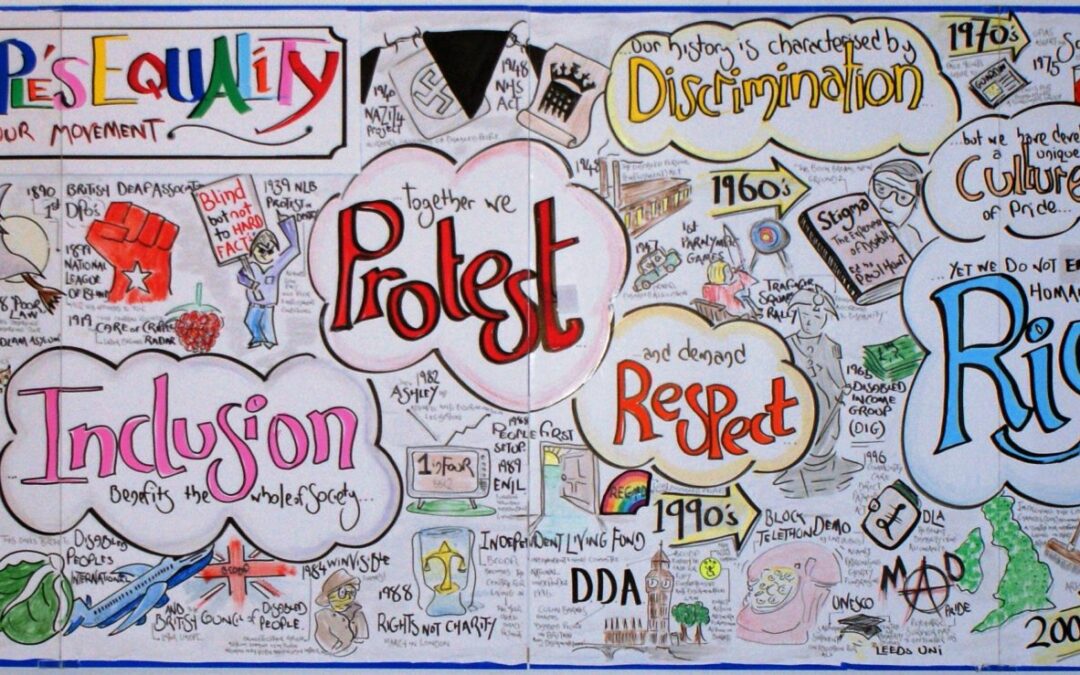
The Social Model of Disability: A Guide for Families
When a loved one has a stroke or brain injury, we naturally look to doctors to "fix" them. This is known as the Medical Model. But once rehab ends and life at home begins, many families find more success using the Social Model. 1. Medical Model vs. Social Model The...
Discussion Guide: On the Tip of My Tongue
A Resource for Educators, Healthcare Professionals, and Students This guide is designed to accompany the documentary On the Tip of My Tongue. It moves the conversation away from a "medical diagnosis" and towards understanding the human experience of living with...
10 Supported Conversation Tips for People With Aphasia
Communication is a two-way street. These simple rules help "bridge the gap" when words are difficult to find. 1. One Idea at a Time Don’t overwhelm the listener with long paragraphs. The Rule: Say one thing, then pause. Why it works: It gives the brain time to process...